Blog ·
Why Your Home's Insulation Matters More Than You Think
Most homeowners don't think about insulation until they feel cold drafts or notice their heating bills skyrocketing. Yet insulation is one of the most critical systems protecting your home's energy efficiency and comfort. Understanding what happens behind your walls can help you make informed decisions about your home's long-term performance.
Heat naturally moves toward cooler areas, meaning warm air escapes from your home in winter and hot air enters during summer. Without adequate insulation, your heating and cooling systems work overtime to maintain comfortable temperatures. This constant strain increases energy consumption, raising utility bills and wearing out equipment faster.
Where Heat Loss Occurs Most
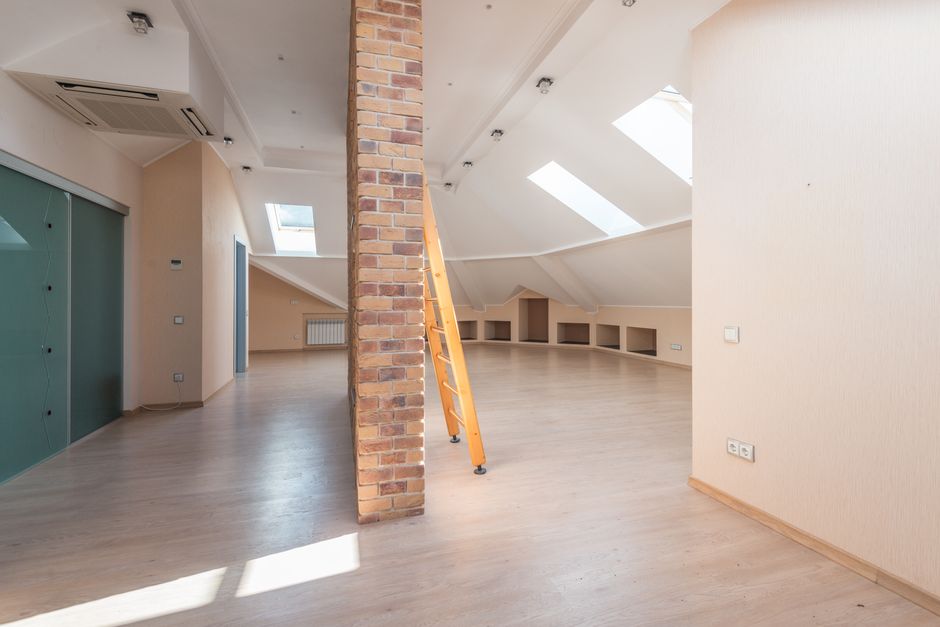
Different areas of your home lose heat at different rates. The attic is typically the biggest culprit, accounting for significant heat loss because warm air rises. Walls, basement areas, and crawl spaces also allow substantial energy loss. Even small gaps around windows and doors contribute to inefficiency over time.
Types of Insulation and Their Benefits
Several insulation types offer different advantages depending on your home's structure and climate:
- Fiberglass batts are affordable and work well in standard wall cavities and attics
- Blown-in cellulose fills irregular spaces and provides excellent coverage in existing walls
- Foam board offers high R-value in thin profiles, ideal for limited spaces
- Spray foam expands to seal gaps and provides exceptional air sealing alongside insulation
R-Value Explains Performance
Insulation's effectiveness is measured by R-value, which indicates resistance to heat flow. Higher R-values mean better insulation. Your home's required R-value depends on your climate zone. Colder regions need higher values than moderate climates. The Department of Energy provides guidelines based on location, helping you understand appropriate levels for your area.
Year-Round Comfort Benefits
Beyond energy savings, proper insulation creates more comfortable living spaces. Cold spots disappear, temperature stays more consistent throughout your home, and you can maintain your preferred settings without constant adjustments. This consistency reduces strain on HVAC systems and extends their operational life.
Insulation also provides sound dampening, reducing external noise penetration. This is particularly valuable if you live near traffic, airports, or busy streets.
Getting Started with an Assessment
Many homeowners benefit from a professional energy audit to identify where insulation improvements would have the greatest impact. Technicians use thermal imaging and other tools to pinpoint problem areas. This targeted approach ensures your investment addresses the biggest energy losses first, delivering better returns on your home improvement spending.
Quality insulation is an investment in your home's future comfort and efficiency. Whether you're building new or upgrading existing insulation, prioritizing this system pays dividends through lower bills and enhanced comfort for years to come.