Blog ·
Choosing the Right Siding for Your Climate and Home Style
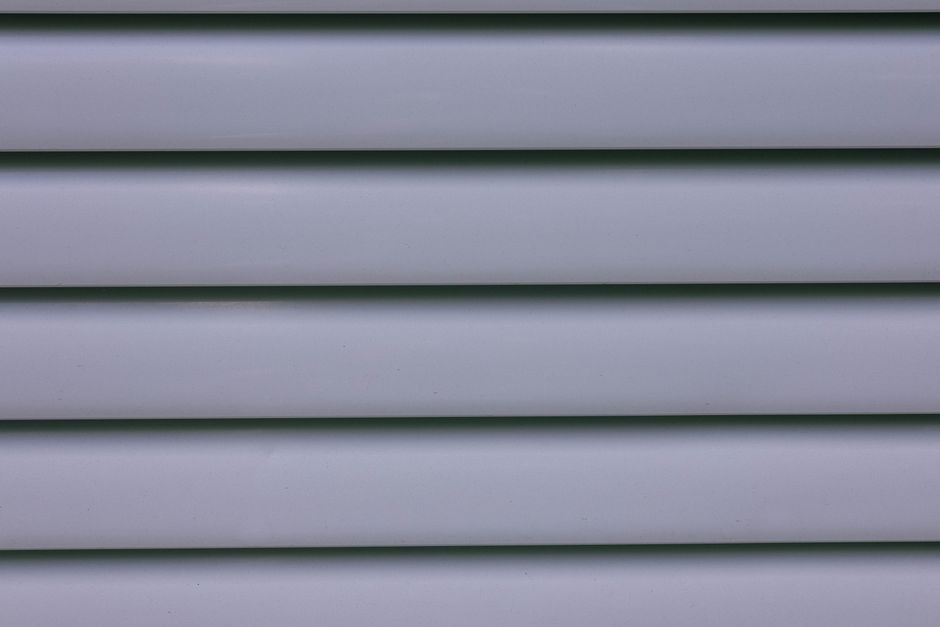
Your home's siding serves dual purposes: protecting the structure from weather and establishing its curb appeal. The right siding choice depends on your climate, maintenance preferences, budget, and aesthetic goals. Understanding your options helps you select a solution that performs well and looks great for decades.
Common Siding Materials Explained
Vinyl siding remains popular because it's affordable, requires minimal maintenance, and comes in numerous colors and styles. It resists rot and insects, though extreme heat can cause slight warping in rare cases. Quality vinyl performs well in most climates.
Fiber cement combines wood fiber and cement to create a durable product that mimics wood's appearance while resisting rot, insects, and fire. It handles temperature extremes well and works beautifully in virtually any climate. Fiber cement requires occasional painting but lasts longer than wood with less upkeep.
Wood siding offers classic beauty and natural insulation properties, but demands regular maintenance including staining or painting to prevent rot and insect damage. It's ideal for homeowners who appreciate traditional aesthetics and are willing to invest in upkeep.
Metal siding provides excellent durability and weather resistance. Aluminum and steel options handle harsh conditions well, though they may dent from impact and can show fingerprints more easily than other materials.
Climate Considerations
Your local weather patterns should heavily influence your choice. Regions with high humidity or frequent rain benefit from materials resistant to moisture damage. Areas with intense sun exposure need siding that won't fade or degrade quickly. Coastal environments require salt-resistant materials. Extreme temperature swings call for products that expand and contract predictably without warping.
Energy Efficiency Connection
Quality siding works alongside insulation to create an effective thermal barrier. Some siding products have built-in foam backing that adds insulation value. Proper installation with appropriate underlayment prevents air infiltration, complementing your insulation system's performance.
Maintenance and Longevity
Consider long-term maintenance when selecting siding. Vinyl and fiber cement need minimal upkeep compared to wood. Metal resists many problems but may require occasional maintenance. Understanding the commitment required helps you choose materials that fit your lifestyle.
Most quality siding lasts 20 to 40 years depending on material and climate conditions. Vinyl typically reaches the lower end while fiber cement often exceeds 30 years with proper care.
Making Your Final Decision
Evaluate samples in your actual lighting conditions before deciding. Siding that looks perfect in showroom lighting might appear different on your home. Walk your neighborhood to see how similar materials perform on comparable homes in your area. This real-world perspective guides better choices than marketing materials alone.